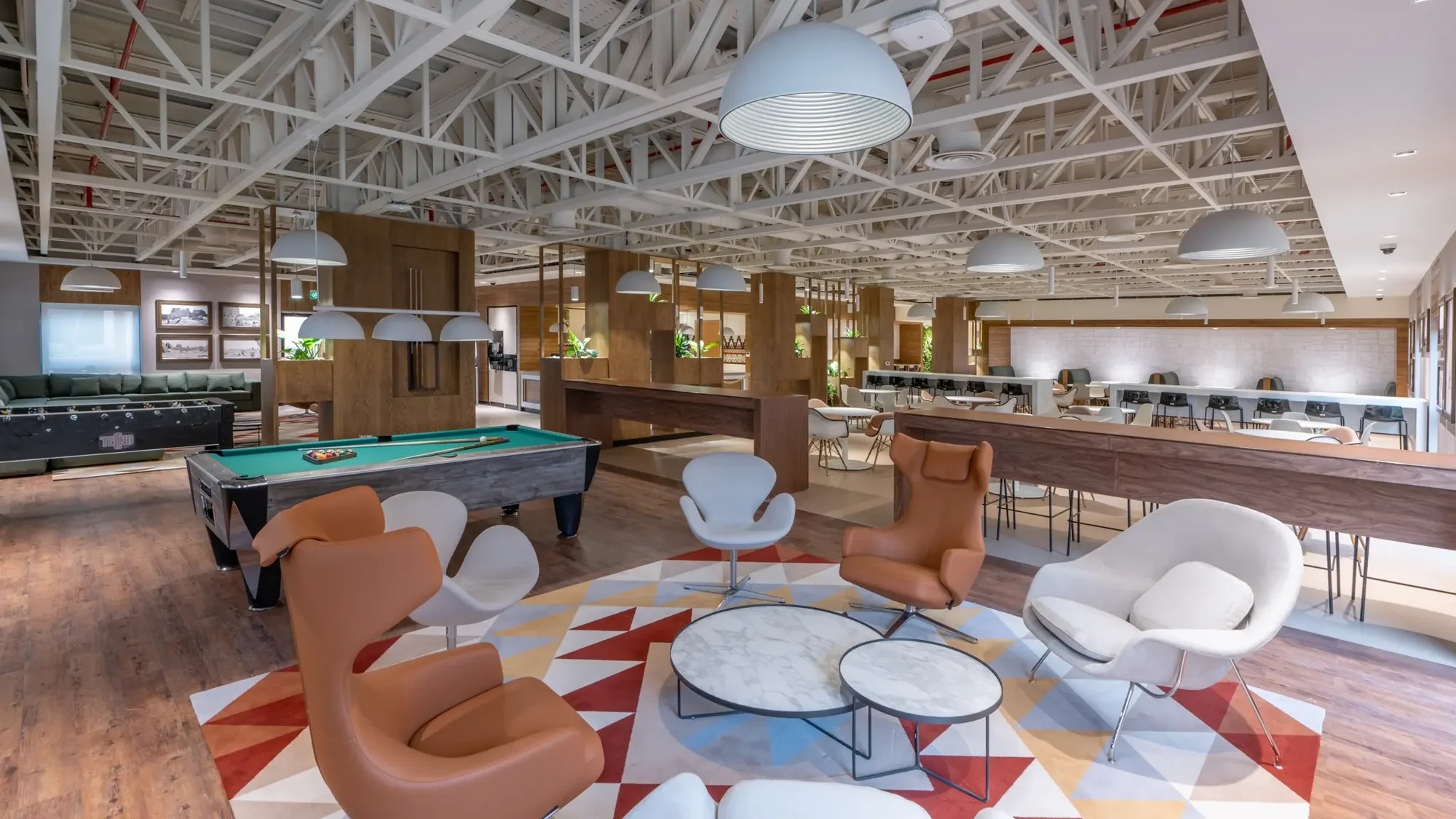
Selecting what goes into a working environment affects how well it holds up to everyday use. The right material supports long-term use and suits different work activities. Each surface and structure is picked to match the purpose of the area.
These decisions are usually handled by experienced commercial fit out contractors who work across various business types.
Flooring for regular foot traffic:
For flooring in commercial areas, vinyl and ceramic tiles are common choices. These surfaces handle daily use and are easy to clean. Vinyl is often picked for areas like clinics or offices because it has fewer joins and can be placed in large sheets. Ceramic tiles suit entry points, restrooms, or food zones as they resist water and hold their color.
Walls that are easy to clean and update:
Painted walls are often used for commercial interiors. They allow quick updates and match different lighting levels. For walls that are touched regularly or may get marked, contractors may suggest wall panels. These panels are easy to clean and may be added at lower levels to protect the paintwork.
Ceiling types for better lighting and access:
Ceilings in commercial settings are often fitted with grid panels or plasterboard. Grid ceilings allow lights and vents to be added or moved with ease. Plasterboard gives a flat finish and suits areas like meeting rooms or waiting areas. The choice depends on how much access is necessary for wiring or ventilation.
Countertops and work surfaces:
For reception desks, kitchenettes, or shared worktops, laminate or quartz are often selected. Laminate is available in many finishes and is simple to wipe. Quartz is more solid and adds weight to the surface but may be higher in cost. Both are placed to match the use of the area they are in.
Doors and fittings for daily use:
Commercial doors are usually made from solid wood or aluminium frames with glass. Aluminium frames are common in offices or clinics and allow natural light through. Solid wood is used for private areas like storerooms or meeting rooms. Fittings such as handles and hinges are often stainless steel to match daily use.
Finishes that support lighting:
In areas where lighting is important, materials with a matt or semi-gloss finish are preferred. This reduces glare and supports a steady light level across the area. These finishes are selected based on how the space is used and how much light enters during the day.